Now that youre familiar with when and how to use AOD 9604, lets go over some of its safety considerations

Based on the clinical evidence and the patient profiles where the compound appears most applicable, the following characteristics tend to describe good candidates for AOD 9604 evaluation when it is medically supervised: Patients with stubborn localized fat deposits that have not responded to diet and exercise, particularly visceral and lower abdominal fat Patients who cannot tolerate GLP-1 medications due to nausea, gastrointestinal side effects, or contraindications Active patients with reasonable baseline metabolic health who want a targeted lipolytic tool to complement their training and nutrition program Patients already on a peptide protocol who want to add a fat-targeting element to a GHK-Cu, NAD+, or sermorelin stack Patients who are not candidates for stimulant-based fat loss medications due to cardiovascular sensitivity, anxiety, or blood pressure concerns AOD 9604 is not appropriate as a standalone weight loss strategy for patients with significant obesity, insulin resistance, or metabolic syndrome
Based on your goals, well outline personalized options and answer any questions you have before moving forward
First: the lipolytic effect in animal models (in rats and mice on a high-fat diet) did not translate to humans with stabilized obesity




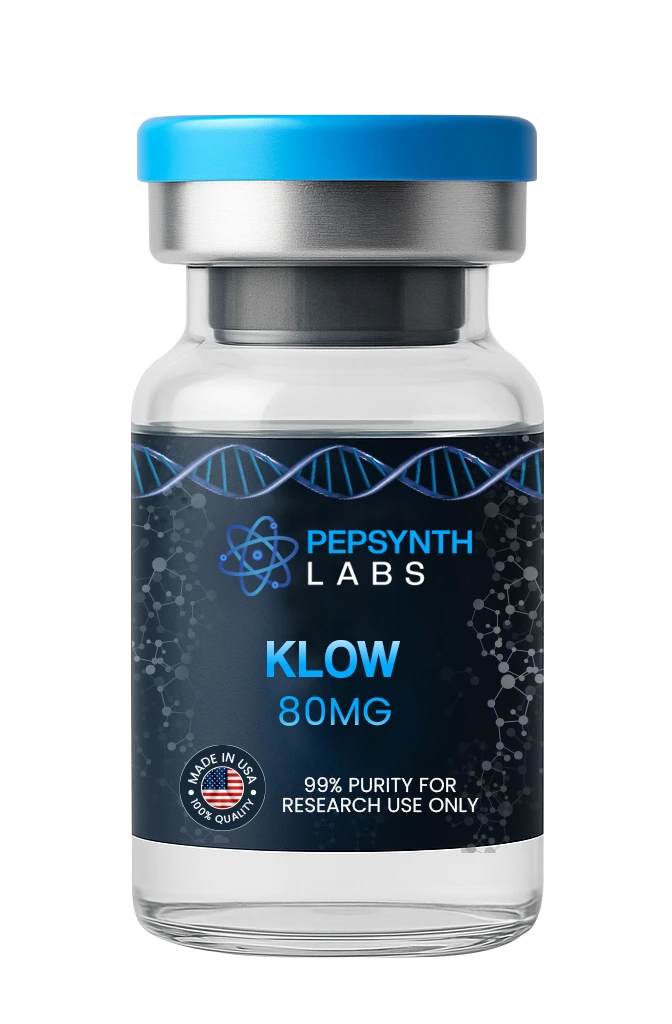


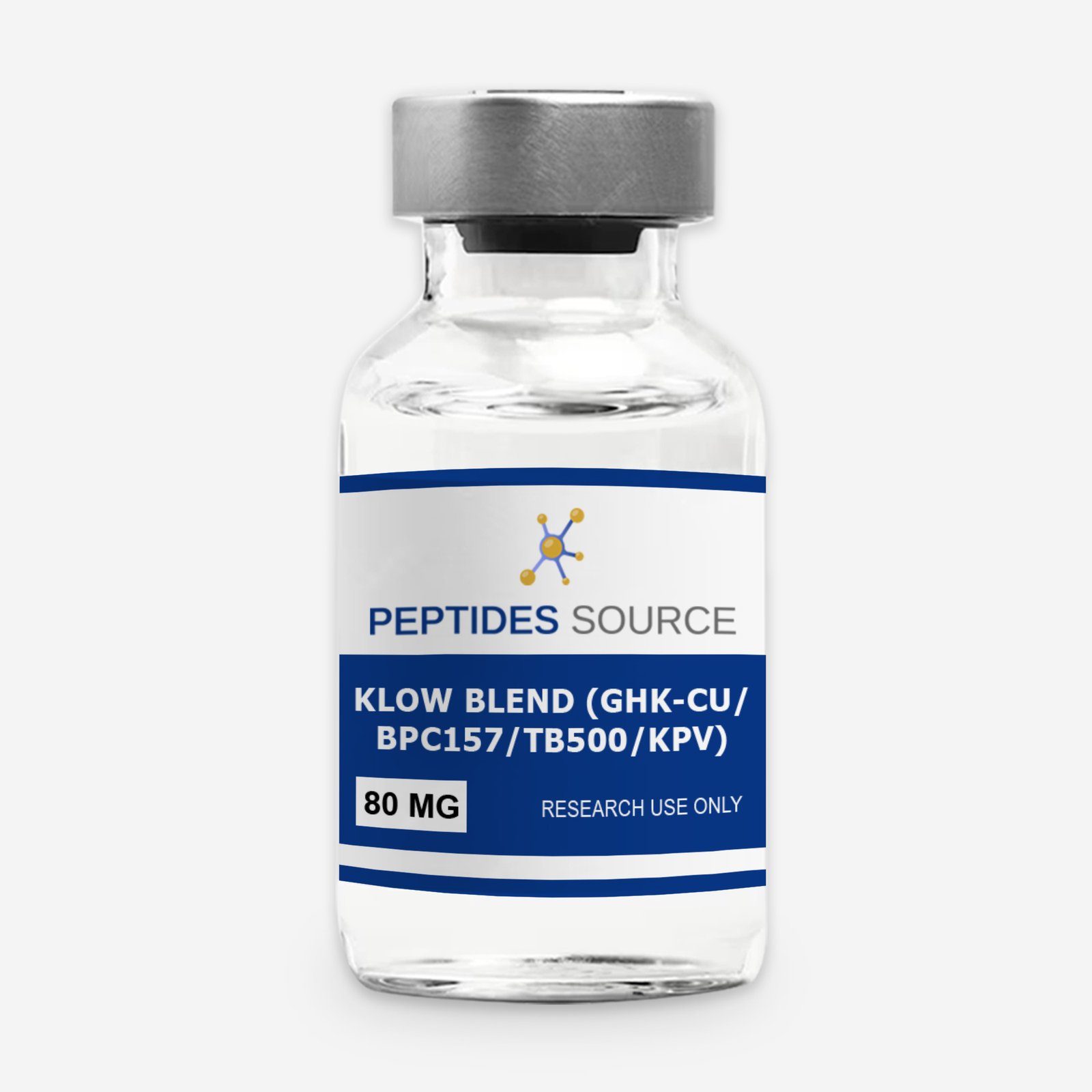


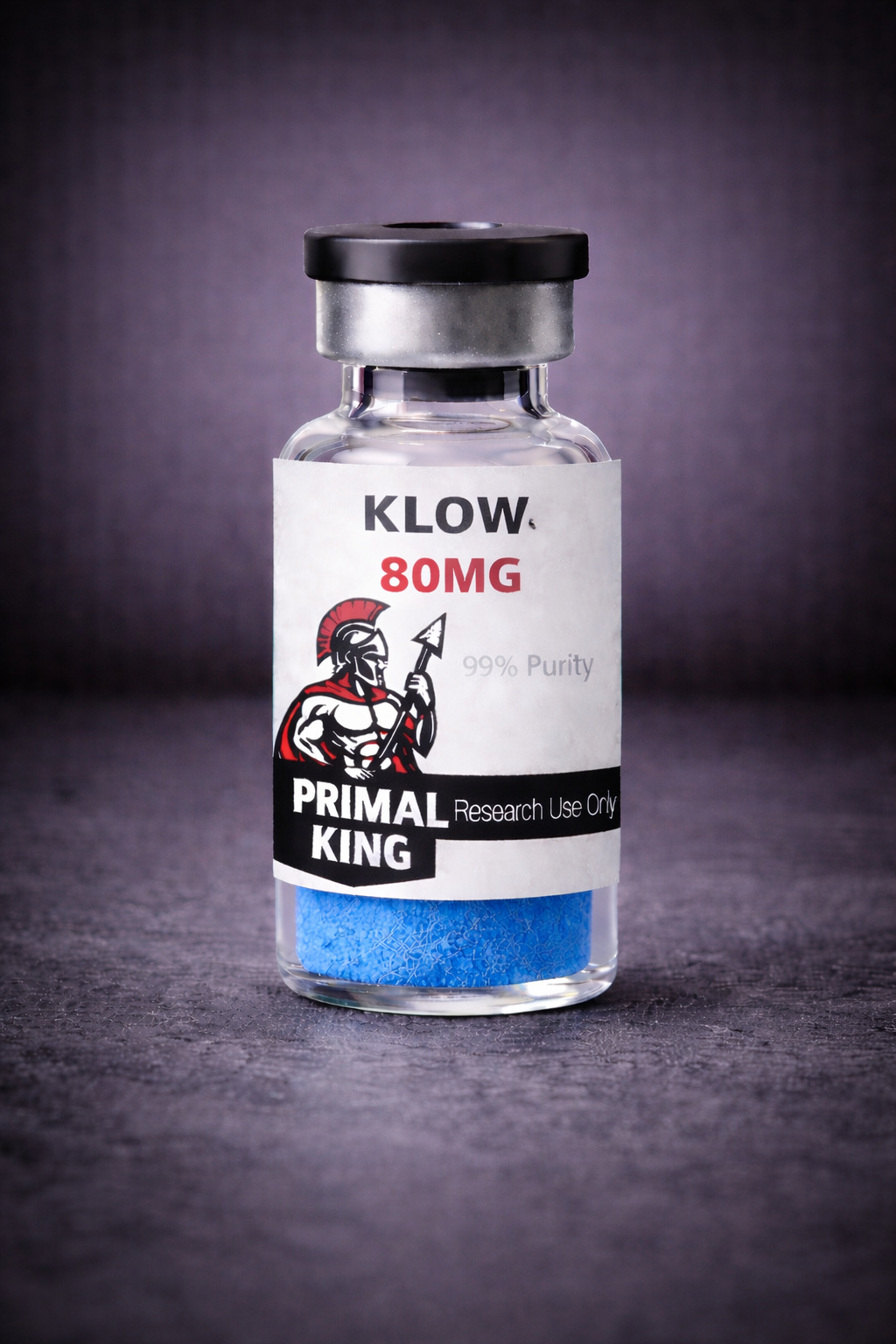


![klow blend review Klow Peptide: What Is It? Benefits, Dosage & Review [2026]](https://klow-peptide.com/images/content/heroes/klow-peptide.jpg)