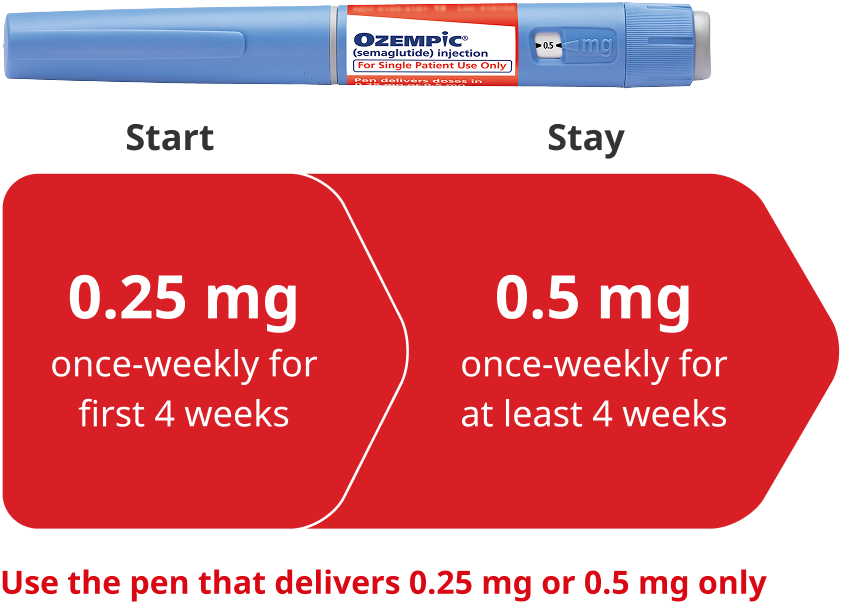
Regular medical follow-up is essential during the discontinuation phase
"We have to weigh the risks and the benefits, and there are risks here because oftentimes you're dosing these medications at home," said Ellerin.
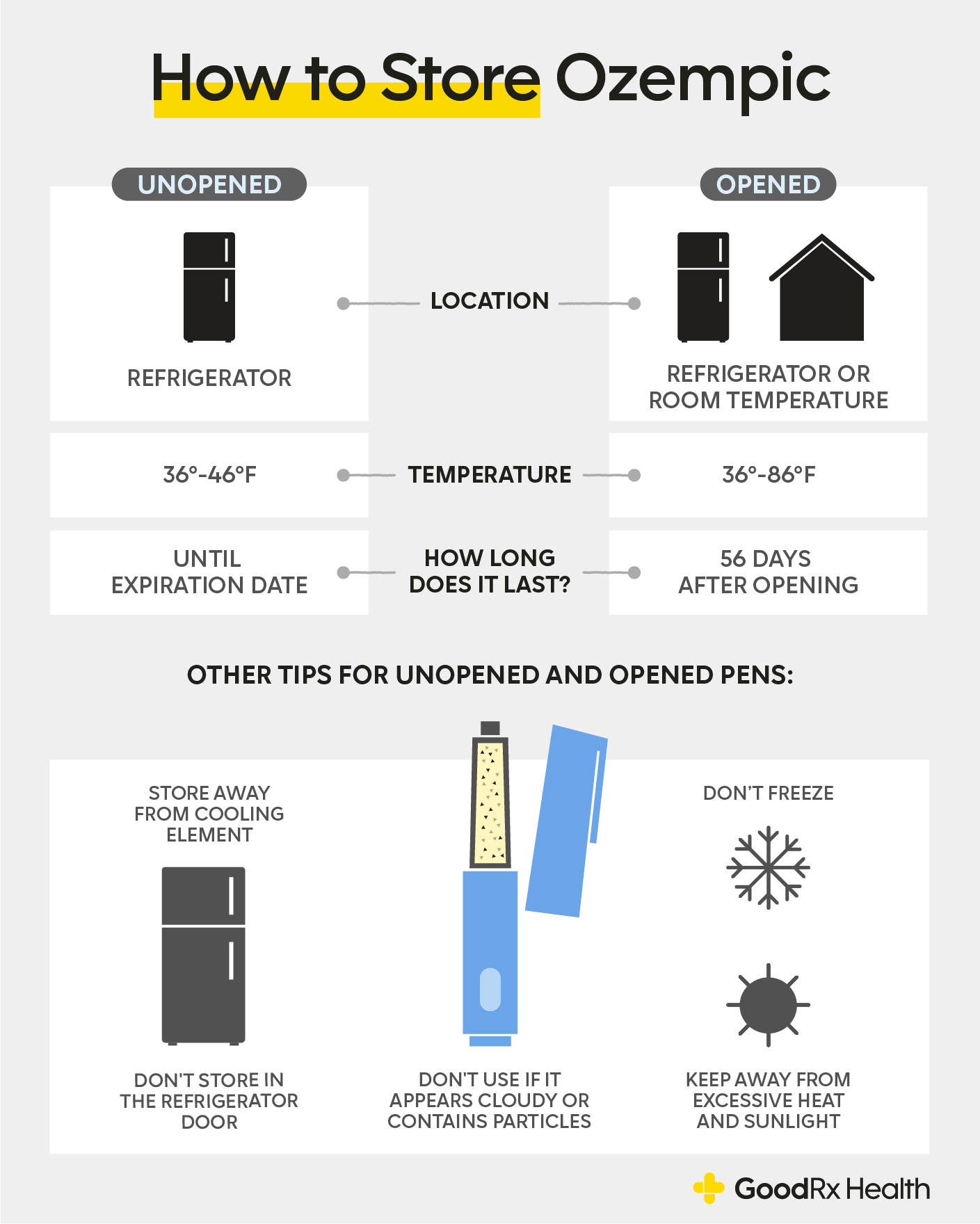
This flexibility is helpful, but keep in mind that exposure beyond the specified days or temperatures above 86F can compromise your medication
In patients with threatened miscarriage, it is usually reasonable to refer the patient back to their family physician or own obstetrician, if they have one If you do not have rapid access to an EPEC, follow-up within 1-2 weeks is reasonable in the low-risk patient However, given that the uncertainty of a pregnancys viability is often distressing for patients, returning to the ED for serial B-HCG every 48-72 hours may also be reasonable within the culture of your department In any case, good patient education will be key when discharging these patients home: If the bleeding stops, she should continue routine antenatal care (with the assumption being here that the pregnancy remains viable) In terms of lifestyle management: Bedrest is NOT helpful or recommended Pelvic rest is often recommended (avoiding intercourse, tampons, intensive exercise), although this is not based on evidence Patients should be instructed to return to the ED if they experience: Heavy bleeding (recall: soaking a pad an hour for 2+ hours) Persistent bleeding beyond 2 weeks (suggestive of miscarriage with retained products of conception [RPOC]) Fever (suggests infected RPOC) Case 2: Preventing Rh-D Alloimmunization Patient Profile : Rhenata, a 30-year-old female presenting at 7+5 weeks with bleeding and cramping