In cells, homocysteine is metabolized in three ways :[ref] It can be remethylated to form methionine (requires folate, MTHFR, and vitamin B12, MTR gene or needs betaine, interacting with BHMT and PEMT genes) Can be converted to cysteine (CBS gene, serine and B6 as a cofactor), which is used in the synthesis of glutathione It can be converted to homocysteine thiolactone, which can be a problem at higher levels Lets dig into each of these pathways further: Methylation Cycle: Homocysteine, Methionine, SAMe, and SAH Homocysteine is maintained at a relatively constant level by several mechanisms in the methionine cycle

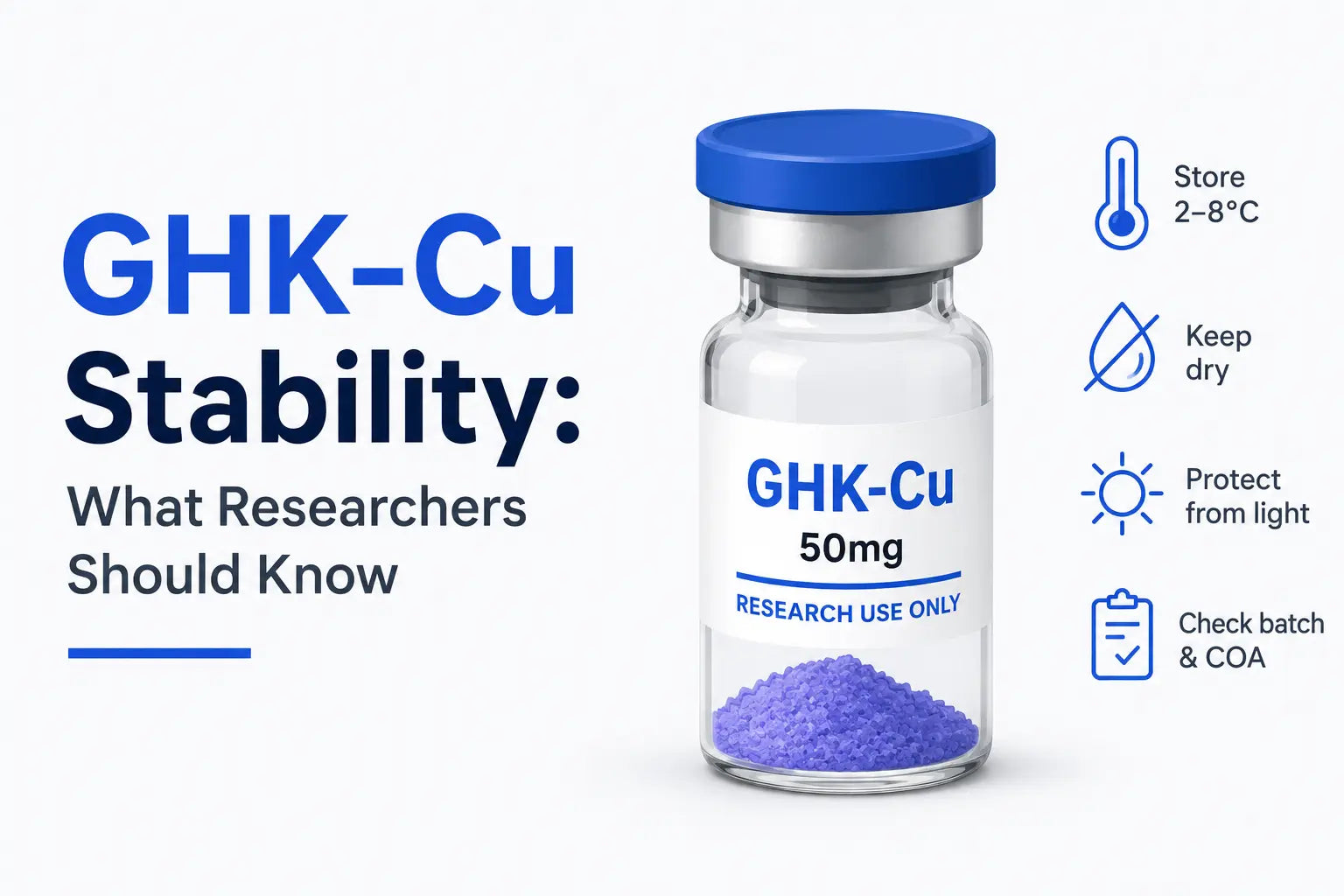
SKU: US-CPG28 Made in United States Formulation Type: Cream Ingredient Preferences: Non-GMO, Paraben-Free, and Phthalate-Free Ingredients: Purified Water (Aqua), Olea Europaea (Olive) Fruit Oil, Cetearyl Olivate, Sorbitan Laurate, GHK-Cu (Copper Peptide), Glycerin, Glyceryl Stearate, Cetyl Alcohol, Calendula Officinalis Flower Oil, Sodium Stearoyl Glutamate, Passiflora Edulis (Passion Fruit) Seed Oil, Oryza Sativa (Rice Bran) Oil, Euterpe Oleracea (Aa Palm) Fruit Oil, Phenethyl Alcohol, Ethylhexylglycerin Weight: 56.7 g (2 oz) UPC: 810068551853
They are particularly apt as an in vitro study model in regenerative medicine and in systemic diseases [19,20]
They assist by inhibiting signals that initiate or propagate inflammation and by combating oxidative stress