This persistence and functional specialization of Mo-AMs underscores their central role in driving sustained inflammation, secreting profibrotic mediators like TGF-, IL-10, and CCL18, and orchestrating fibroblast activation and ECM deposition (103, 105)

Many foods that are high in glutathione, sulfur, and other antioxidants have been linked to improved glutathione levels, such as ( 4 ): whey protein powder (high in cysteine) cruciferous vegetables (e.g., broccoli, cabbage, cauliflower, bok choy, Brussels sprouts) allium vegetables (e.g., garlic, onions, shallots) other fruits and vegetables (e.g., asparagus, avocado, cucumber, green beans, mango, papaya, spinach, and tomato) herbs and spices (e.g., curcumin from turmeric) green tea selenium-rich foods (e.g., Brazil nuts, beef, chicken, seafood, dairy products, and whole grains) vitamin C foods (e.g., bell peppers, papaya, mango, oranges, kiwi, Brussels sprouts, cabbage, cauliflower) omega-3s (e.g., fatty fish, omega-3 supplements ) While helpful, it's currently debated whether eating a diet rich in glutathione will significantly improve glutathione levels, since it's not completely absorbed through food

Yes, glutathione is commonly paired with Vitamin C, Vitamin E, and Alpha-Lipoic Acid all of which support its recycling and antioxidant function
doi: 10.1089/ars.2011.4198




:max_bytes(150000):strip_icc()/VWH-GettyImages-2178836417-ee318a41780b44e9af3ff47de83fafd7.jpg)




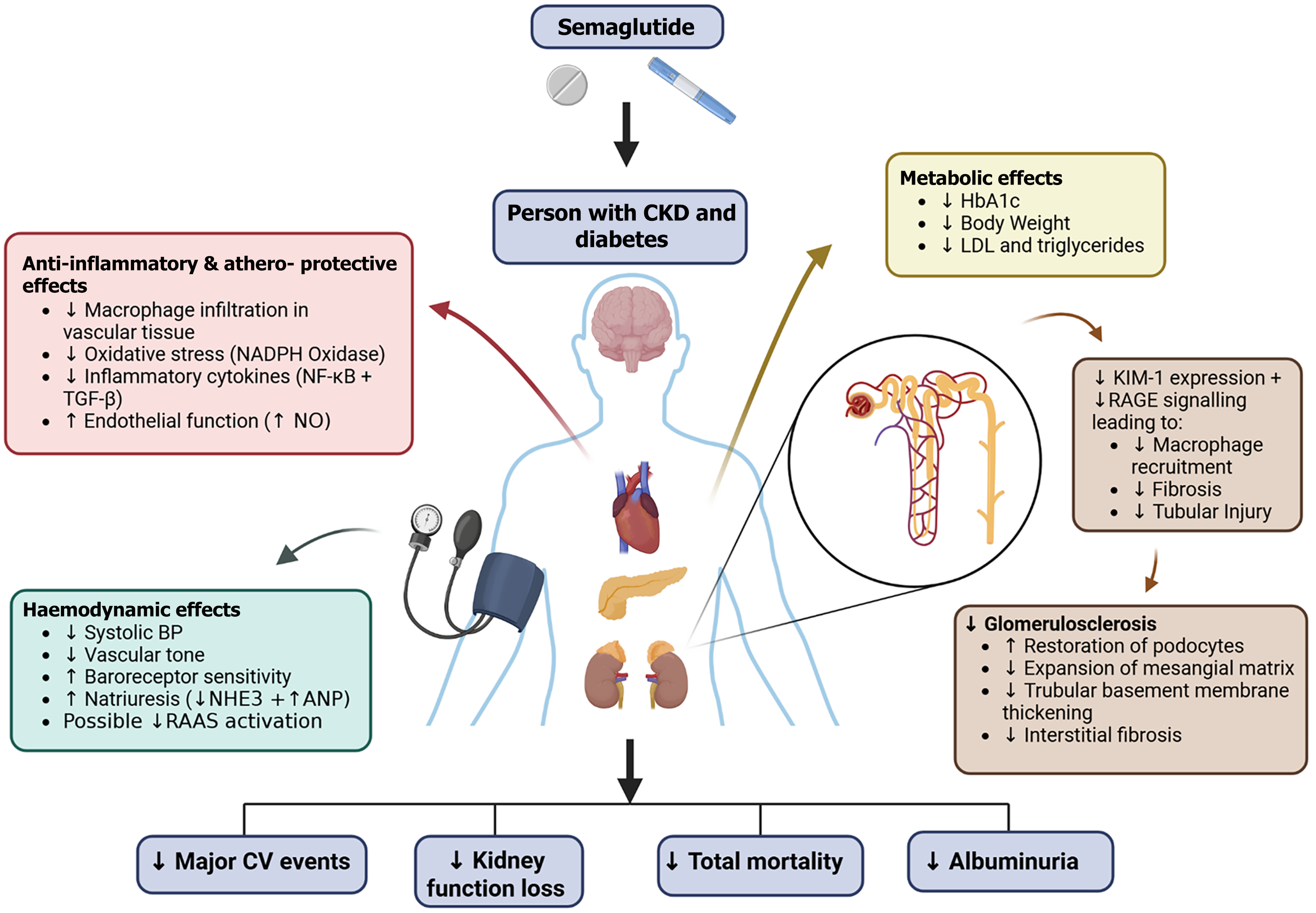
![Diabetes medication semaglutide [known by brand names Ozempic and Wegovy] significantly reduces the risk of kidney failure, loss of kidney function and death from chronic kidney disease in people with type 2](https://external-preview.redd.it/diabetes-medication-semaglutide-known-by-brand-names-v0-zJh5MJuy1uysBjc3hfj7dmKxLCQUsWPi8WYS4PHP_0c.jpeg?width=640&crop=smart&auto=webp&s=2bcc7fb9d55866ad8f913e786c3bf280f0603a1e)