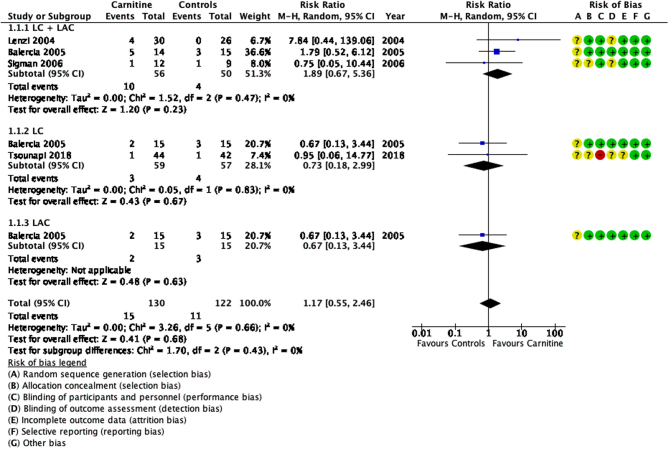
Is there sufficient evidence to use them
This is the compassionate, professional care you deserve

Causes Metabolic Diabetes mellitus (most common cause) diabetic neuropathy Hypothyroidism Vitamin deficiencies (B1, B6, B12, E) Infectious HIV, leprosy Hepatitis B or C Herpes zoster Toxic / Drug-Induced Chemotherapy (e.g., platinum compounds, paclitaxel) Alcohol Heavy metals (lead, arsenic) Autoimmune / Inflammatory Guillain-Barr syndrome Chronic inflammatory demyelinating polyneuropathy (CIDP) Genetic Charcot-Marie-Tooth disease Other Chronic kidney disease Trauma or compression (carpal tunnel syndrome) Clinical Features Sensory Symptoms Numbness, tingling, pins and needles (paresthesia) Burning, stabbing, or shooting pain Loss of vibration, temperature, or proprioception Usually symmetrical and distal (stocking-glove pattern) Motor Symptoms Weakness Muscle wasting (atrophy) Loss of reflexes Autonomic Symptoms Orthostatic hypotension Gastrointestinal motility problems (constipation/diarrhea) Bladder dysfunction Abnormal sweating Investigations Blood tests: Blood sugar, vitamin B12, thyroid function, renal/liver function Nerve conduction studies / EMG: Assess type and severity of neuropathy Imaging: Only if compressive lesion suspected Lumbar puncture: In inflammatory neuropathies like GBS Management 1

Receptor-ligand kinetics is the study of the rates at which receptors and ligands interact, bind and dissociate