Wright JW, Harding JW
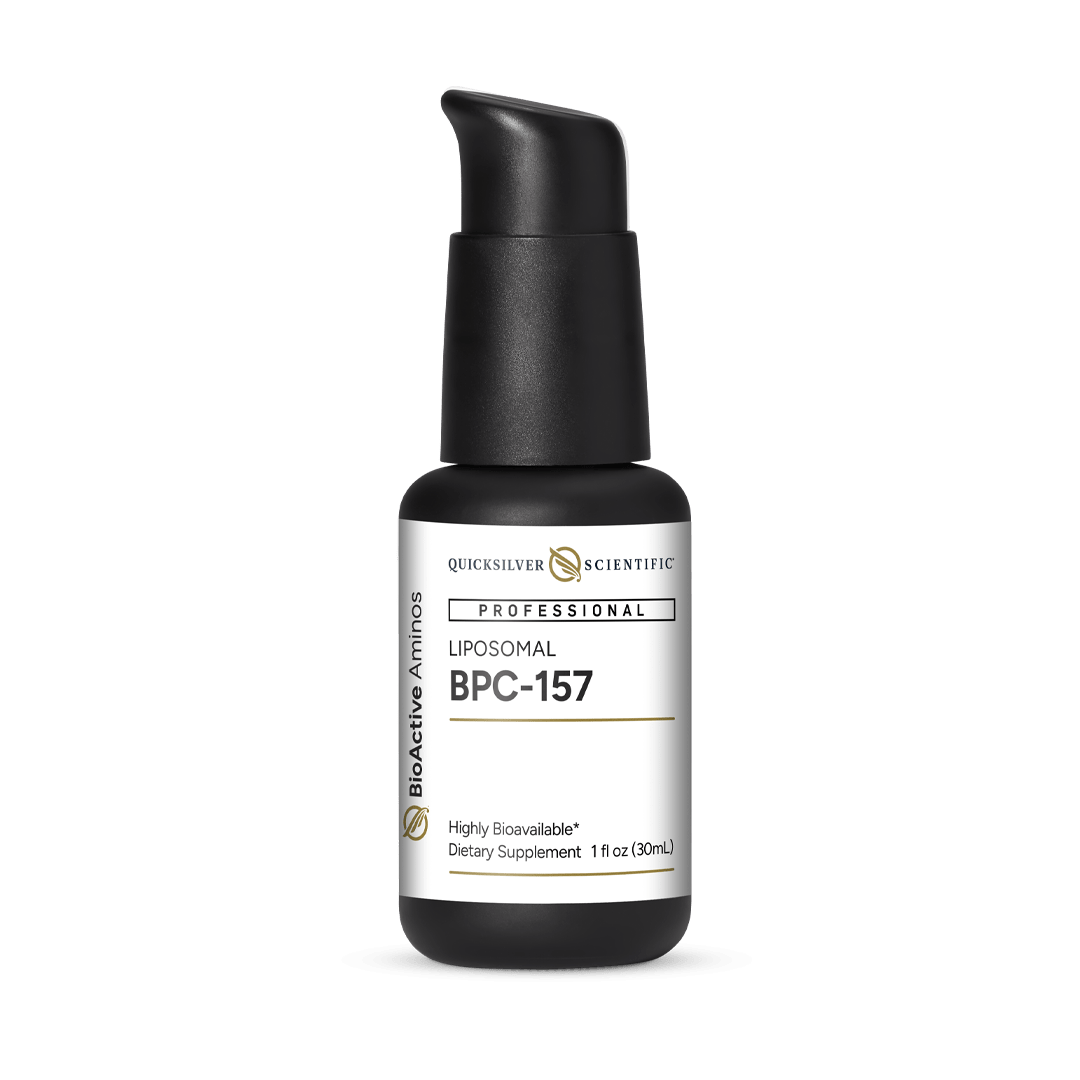
Multiple healing pathways, at once BPC Wolverine works by supporting multiple healing pathways simultaneously enhancing the bodys natural healing process and supporting faster recovery
Researched applications The published preclinical literature documents the effects of BPC-157 in the following areas (mostly in animal models): Tendon and ligament healing , Achilles tendon, medial collateral ligament (MCL, the ligament on the inner side of the knee), tendinopathy models Muscle injuries , quadriceps (front thigh), gastrocnemius (calf muscle), transections and contusions Bone and joint healing , osteoarthritis models, fracture healing, periodontal tissues (around the teeth) Gastrointestinal diseases , gastric lesions caused by alcohol or NSAIDs (ibuprofen, diclofenac), colitis, IBD models (Crohns disease), fistulas Hepatoprotection , protection of the liver against toxic damage (paracetamol overdose, CCl, alcohol) Vascular healing , endothelial dysfunction, thromboses, healing of vascular anastomoses after surgery, thrombocytopenia (low platelet count) Skin wounds , acute as well as diabetic wounds, burns Nerve regeneration , peripheral (sciatic nerve crush) as well as central (cerebral ischemia models, i.e

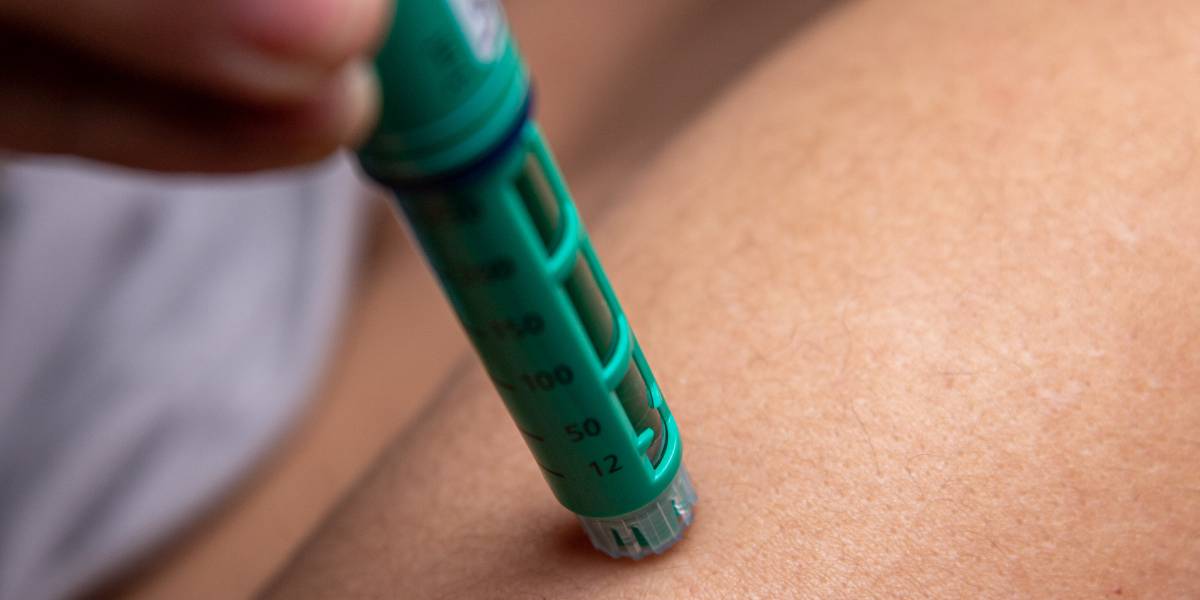
Tirzepatide the approved label starts at 2.5 mg once weekly and escalates in 2.5 mg steps at intervals of at least four weeks, to a maintenance dose of up to 15 mg once weekly




01053-X/asset/68ad1d8b-bb7e-4ca0-8f89-99384d885ca3/main.assets/gr2.jpg)