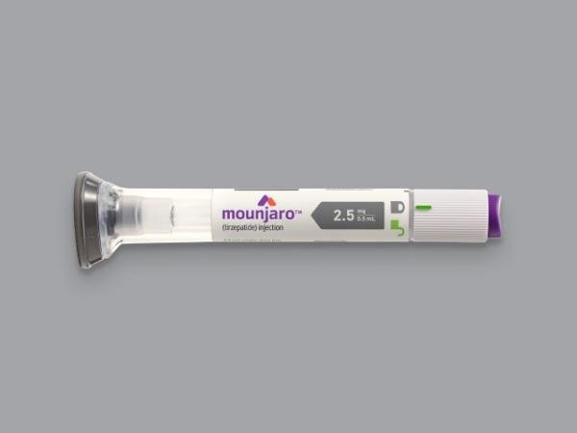
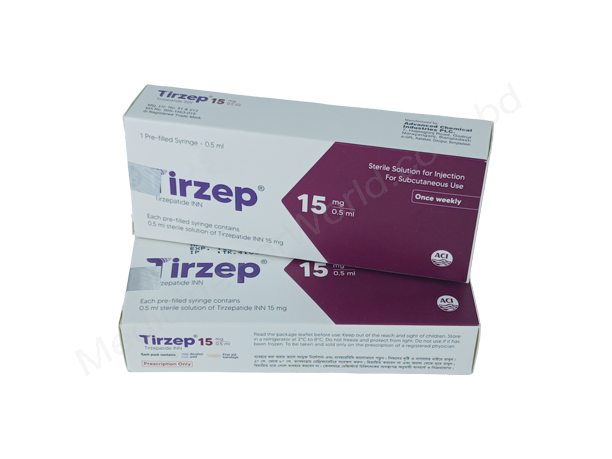
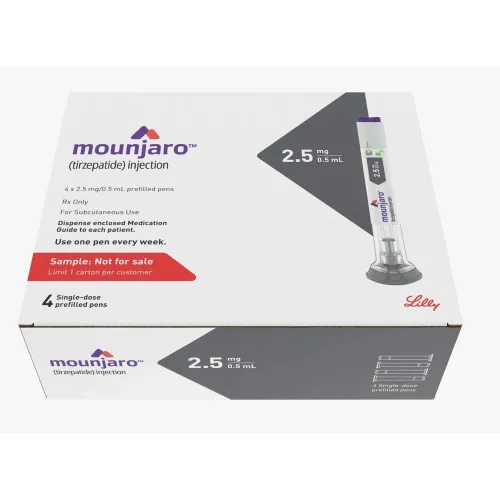
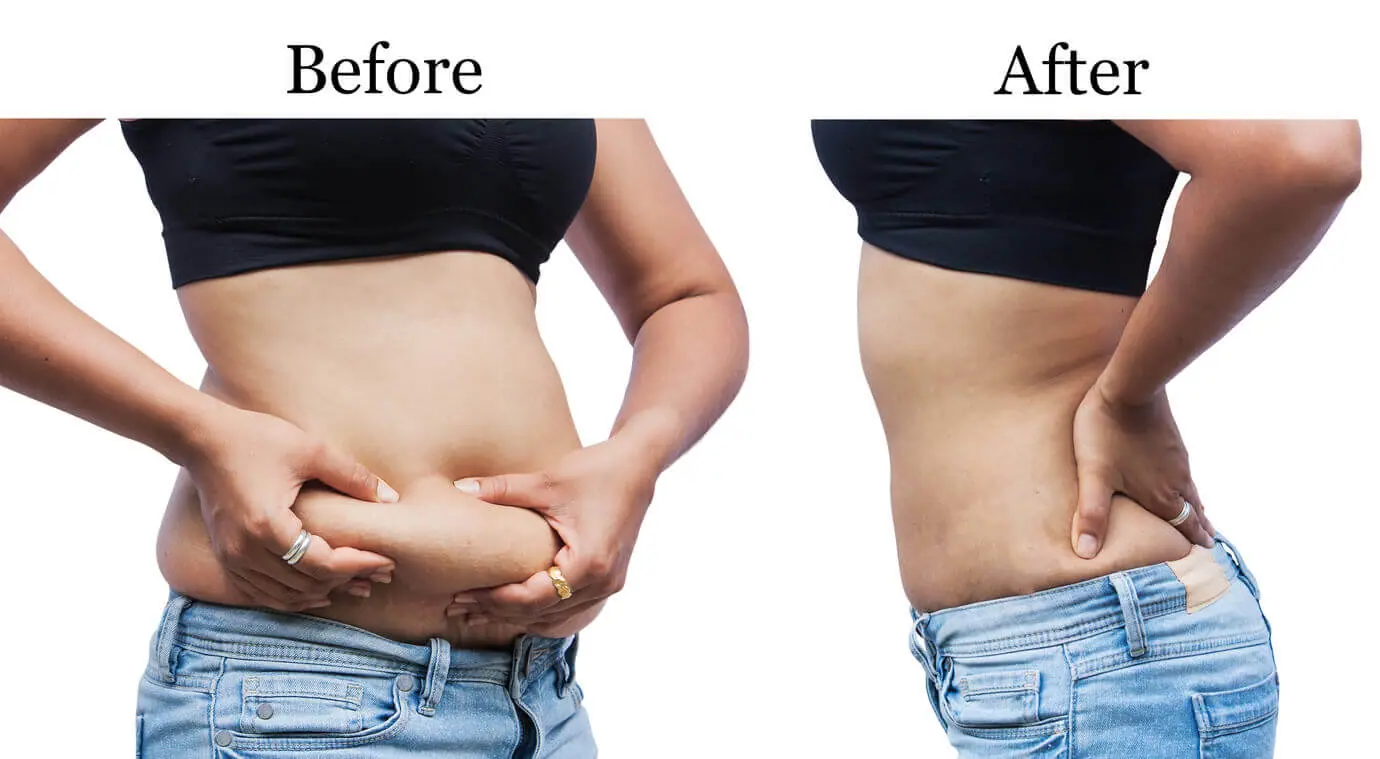
This is why personalized dosing, gradual titration, and ongoing medical oversight are important for achieving the best outcomes
Other common hot flash triggers: Diets high in sugar and or simple carbohydrates Caffeine, nicotine and stimulants Alcohol, even when small amounts Hot drinks or foods, spicy or temperature-wise Hot spaces, including stuffy bedrooms, hot tubs, showers and saunas Crowded areas Bad air quality or lack of fresh air Intensive exertion, exercise or any activity that heats you up without adequate cool-down time Are herbs effective against hot flashes and night sweats
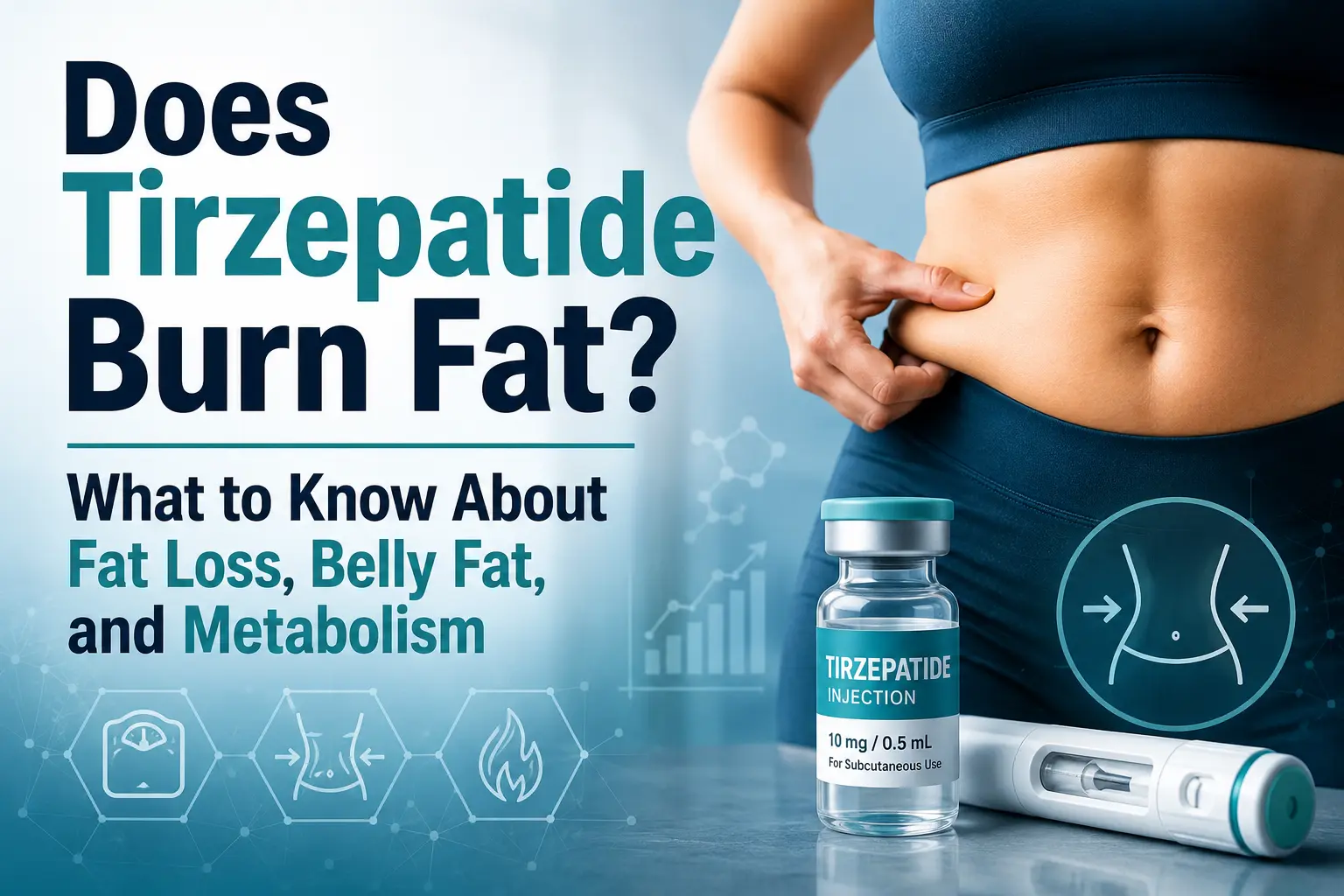
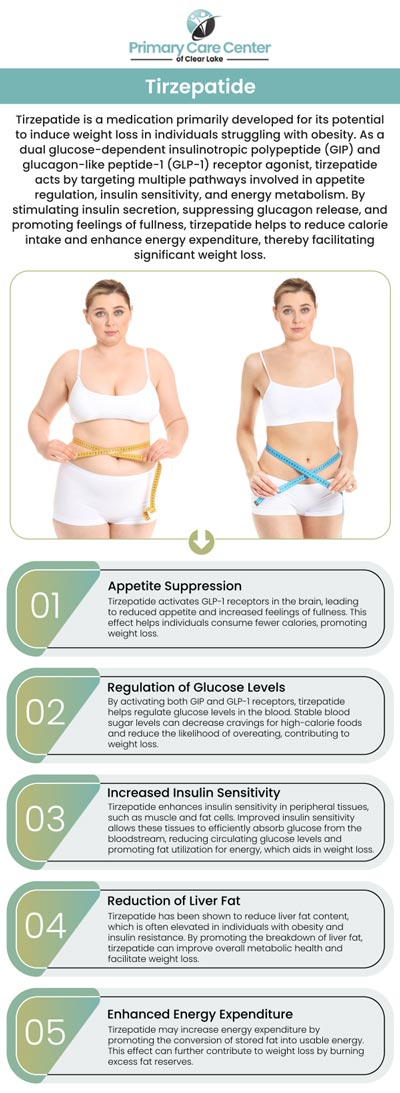
It works by activating GLP-1 receptors that help regulate appetite, blood sugar levels, and feelings of fullness after eating
I want to connect this back to your Testing Nutritional Status Cheat Sheet and kind of what we talked about at the beginning of the Podcast or what I talked about briefly as far as this being sort of a road map for people to help them identify certain deficiencies of compounds and as it relates to their symptoms