Introduction Myocardial hypertrophy is an adaptive response of the cardiac tissue to injury or certain other stimuli, resulting in hypertrophic activity, cell death, interstitial fibrosis, and the consequent disruption of normal myocardial cell structures ( Ferroptosis is a form of iron-dependent programmed cell death associated with extensive lipid peroxidation
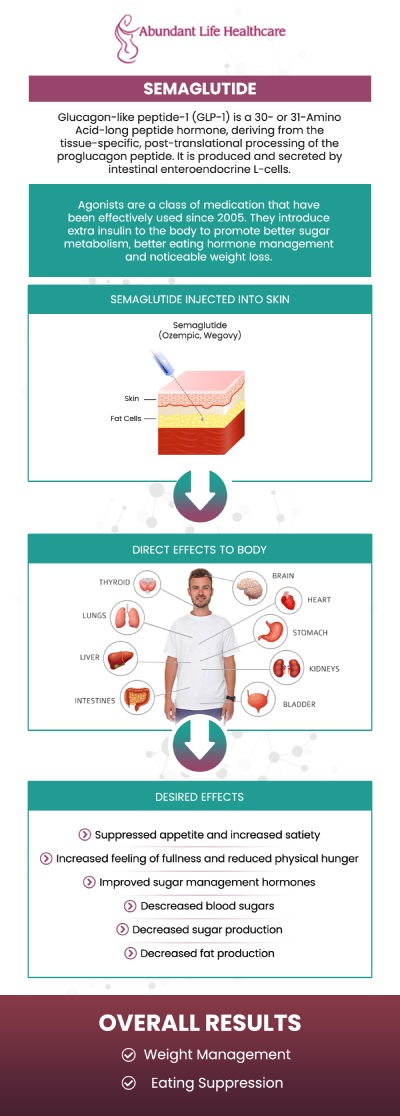
An agonist is a substance that activates a receptor in the body
Both are effective tools for managing weight and blood sugar, but they have distinct differences that can make one a better fit for you than the other
Contact your healthcare provider immediately if you experience: Signs of dehydration, including decreased urination, dark urine, extreme thirst, dizziness, or lightheadedness Blood in stools or black, tarry stools Severe abdominal pain or cramping that doesn't resolve Fever above 101F (38.3C) accompanying diarrhea Unintentional weight loss beyond expected therapeutic effects Persistent nausea and vomiting preventing adequate fluid intake Symptoms of pancreatitis, including severe upper abdominal pain radiating to the back Signs of gallbladder disease, such as right upper quadrant pain, fever, or yellowing of skin/eyes Symptoms of kidney problems, including reduced urine output, swelling, or confusion These warning signs may indicate complications requiring urgent evaluation